
Inside SRC
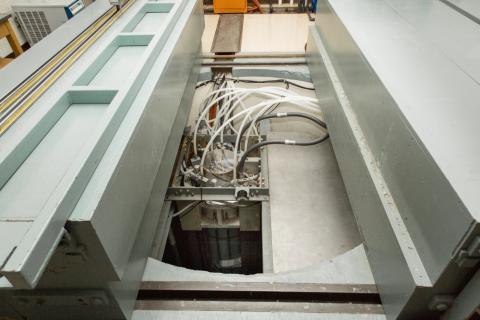
SRC’s SLOWPOKE reactor was commissioned in March 1981. The reactor immediately proved to be a great resource for the uranium industry as it provided a rapid method to analyze the thousands of exploration samples that the industry was then producing. Learn more.
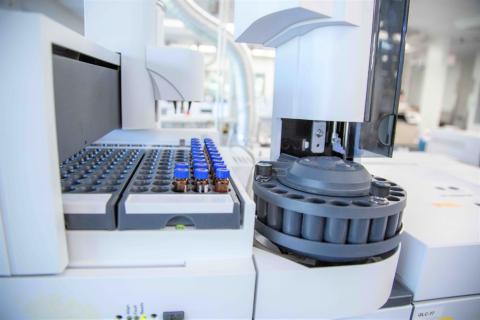
This is an archived post. SRC no longer offers cannabis testing. Although cannabis edibles became legal in October 17, 2019, many consumers were surprised that edibles weren’t available that day. Just...
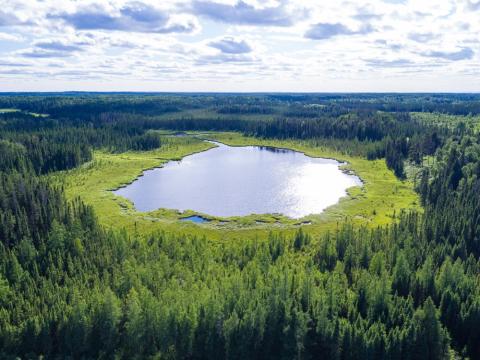
The results are in for a three-year project to help forest managers estimate carbon storage in wetlands as part of their land management activities.
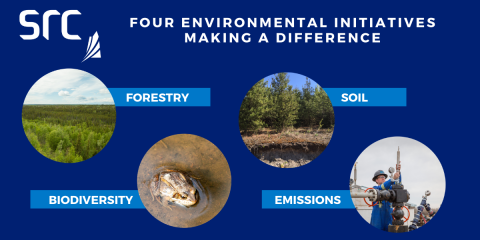
Protecting our planet and its resources – from people to plants to water – and finding sustainable solutions requires creativity, innovation and courage. Here are four projects and initiatives our research and technology experts are working on to help industry, governments and communities make positive environmental impacts. Read more.
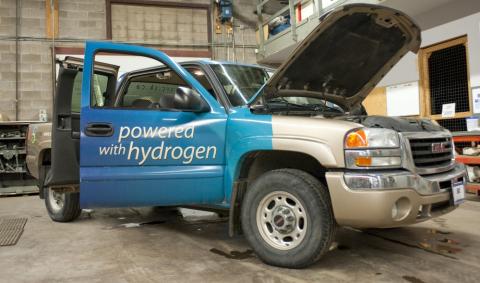
In the 2000s, SRC’s previous work on natural gas vehicle conversions was broadened to develop and demonstrate a variety of other alternative fuel vehicles that could operate on natural gas, ethanol or hydrogen. Learn more about this next phase of innovation.
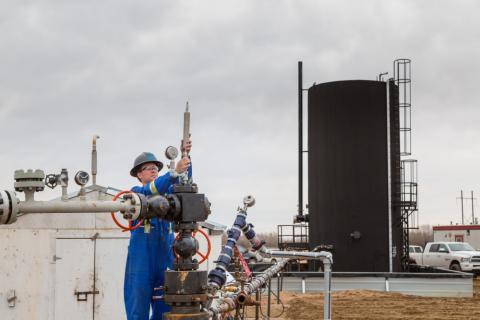
Given both global and national pressure to decarbonize operations, Canadian industries are looking for new technologies and implementing more energy-efficient processes from proven, applicable mitigation options. Learn how SRC's CeDER platform helps companies sift through the available technologies.
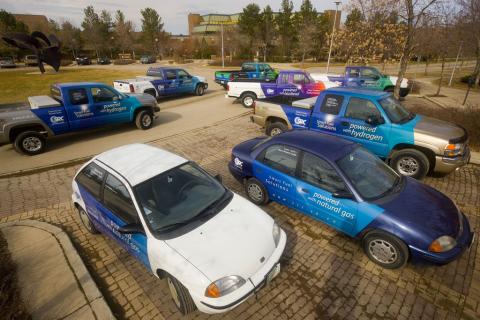
SRC is one of the pioneers in the field of alternative fuel vehicle work and has a long history conducting research and development in the area since 1985. Learn about SRC’s journey into alternative fuels, including the successes, some failures and even some firsts.
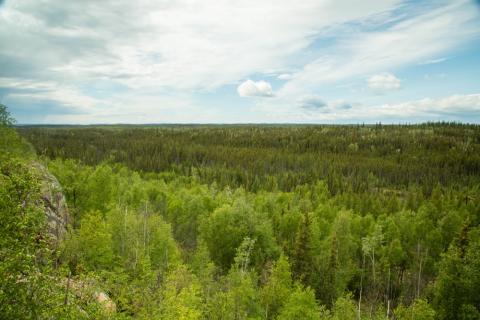
Climate change is affecting Canada’s forests to a greater extent than other parts of the globe. A climate change vulnerability assessment is currently underway in Saskatchewan and Manitoba with the goal of identifying what climate change will look like in the boreal forest and how to reduce its impacts.
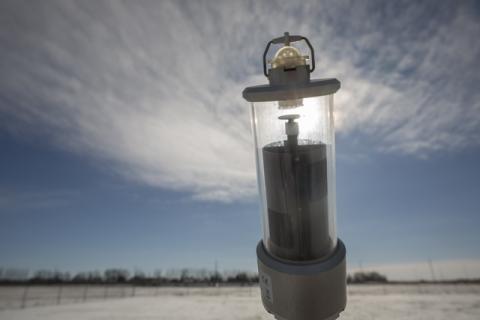
2019 won’t be remembered in Saskatoon’s history books for its weather. When averaged over the year, the weather was very typical for Saskatoon and surrounding area. While the year may have been fairly unremarkable, there were still some notable weather statistics and events. Learn more.
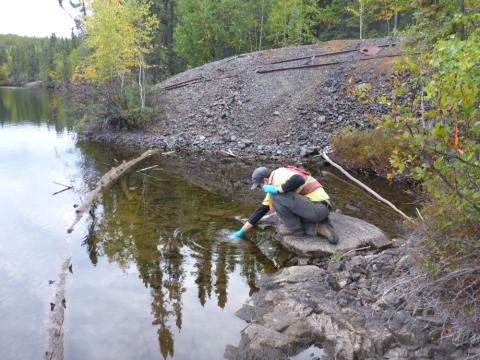
SRC's Project CLEANS team travelled to five uranium mine sites in northern Saskatchewan that had been abandoned in the 50s and 60s to conduct preliminary site investigations as part of large-scale remediation project. Learn about the challenges of visiting these sites and the work being done to clean them up.
