
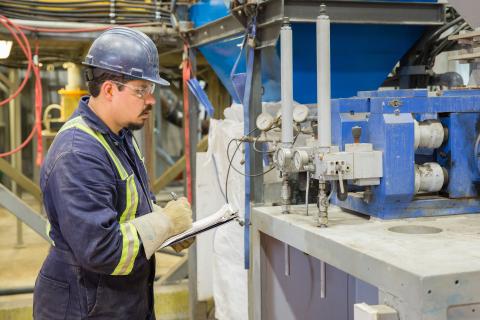
When a mine operation evaluates how well its plant is performing, it’s important they have reliable, accurate data to compare the present to the past. A plant audit can provide clarity about how a plant is performing as a whole to help improve recovery rates. Learn more.

The Internet of Things (IoT) connects ordinarily mundane devices to the Internet to give you greater knowledge and control of their functions.The Industrial Internet of Things (IIoT) is simply the IoT in an industrial setting. But unlike consumer-grade appliances like refrigerators and toasters, industrial machinery and scientific instrumentation require a few more checks and balances.
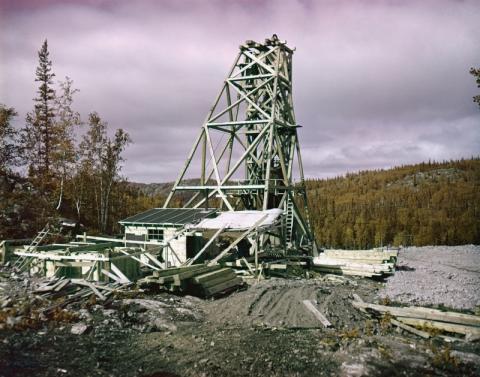
The Nicholson Mine was the first uranium mine to be developed in Saskatchewan. In 1949, it was the only active uranium mine in Canada outside the Northwest Territories. By 1959, the Nicholson ore body had been essentially depleted, but the Nicholson Mine had played its role in helping Canada become one of the largest uranium producers in the world. Learn more about the challenges of developing and operating this mine.
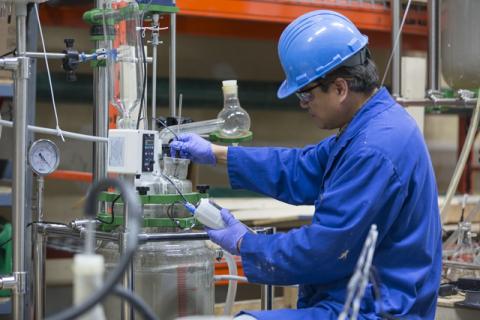
The demand for lithium is projected to increase 73 per cent by 2025. Lithium extraction is often expensive and time consuming, so how can mining companies keep up with this fast-rising demand? Keep reading to learn about new advances in lithium recovery technologies.
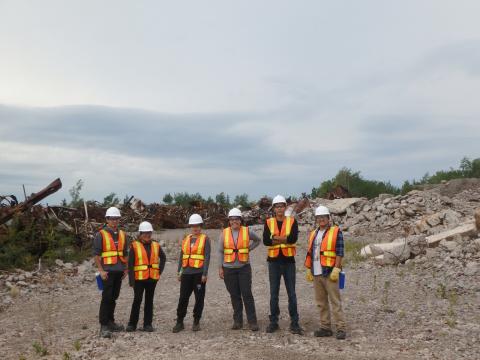
Giving students the opportunity to try a hands-on experience in science is something we never shy away from. We love science. So, when we heard that youth in northern Saskatchewan were looking for opportunities to gain experience in science-related fields, we took on the challenge.
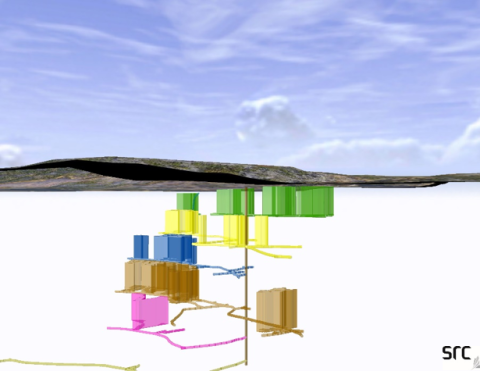
What you can see on the surface of an abandoned mine site doesn’t always tell the full story of the mining activities that took place. In fact, the surface is a very small part of the whole remediation process. Find out how 3-D models of underground workings helps us get a better idea of risks below ground.

Advanced mining systems enable remote sensing and decision-making for operators and engineers before, during and after mining activities.
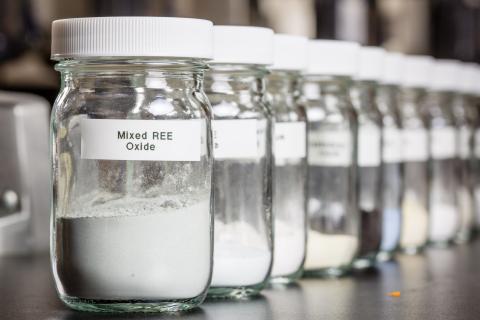
The versatility of rare earths has led to their use in an ever-increasing variety of applications in new technologies. Consequently, demand for rare earths has increased significantly. Everybody wants to extract rare earths because they’re so important, but metallurgical processing is complicated and comes at a high cost.
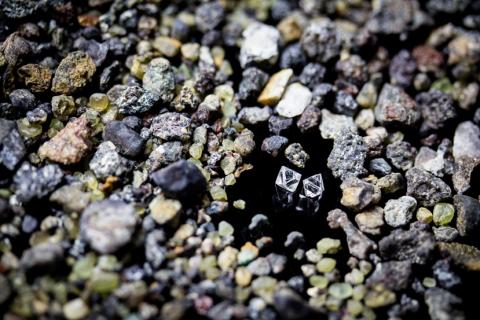
When people think of Saskatchewan, diamonds don't often come to mind. Well, give your head a shake. Saskatchewan has one of the world's largest diamond labs at it's attracting international attention.
