
This article originally appeared in the Saskatoon Chamber of Commerce publication, Business Voice.
Key Points:
- SRC has grown from a small research organization into Canada’s second largest research and technology organization, supporting Saskatchewan industries and clients worldwide.
- Its innovation spans mining, energy and environment, helping companies solve complex technical challenges and commercialize new technologies.
- SRC delivers significant economic impact for Saskatchewan, including hundreds of millions in direct impact, high-quality jobs and strong returns on provincial investment.
- As it approaches 80 years, SRC is focused on helping Saskatchewan lead in critical minerals, low-carbon energy, climate resilience and future industrial development.
Across Saskatchewan, innovation rarely happens in a straight line. It emerges in the mines of the north, in the labs and pilot plants tucked behind industrial corridors, and in boardrooms where companies imagine what’s possible; if only they had the right expertise behind them. Somewhere in nearly every one of those stories, you’ll find SRC.
As industries evolve and new ones take shape, SRC has become the place where ideas go to grow.
What started in the late 1940s as a small provincial research crown corporation is now Canada’s second-largest research and technology organization, serving more than 1,400 clients worldwide and acting as a technical backbone for Saskatchewan’s economic transformation.
Behind the scenes, SRC is the quiet force advancing technologies, strengthening competitiveness, and supporting businesses, industries, and communities in developing ideas into reality.
President and CEO Mike Crabtree captures this relationship well: “Since its inception in 1947, SRC has proven itself time and time again to be a catalyst for innovation in the Saskatchewan business ecosystem, and it really has become a symbiotic relationship in that regard. We actively look for those areas where we know we can provide leading-edge services and solutions in the development, demonstration, optimization and commercialization of technologies and that, in turn, has really driven our growth and success.”
Innovation, at SRC, isn’t something that happens in a silo. It’s woven through every project, service, and partnership, and that thread becomes especially clear when you follow the story of Saskatchewan’s most globally recognized industries.
Building a global reputation in mining
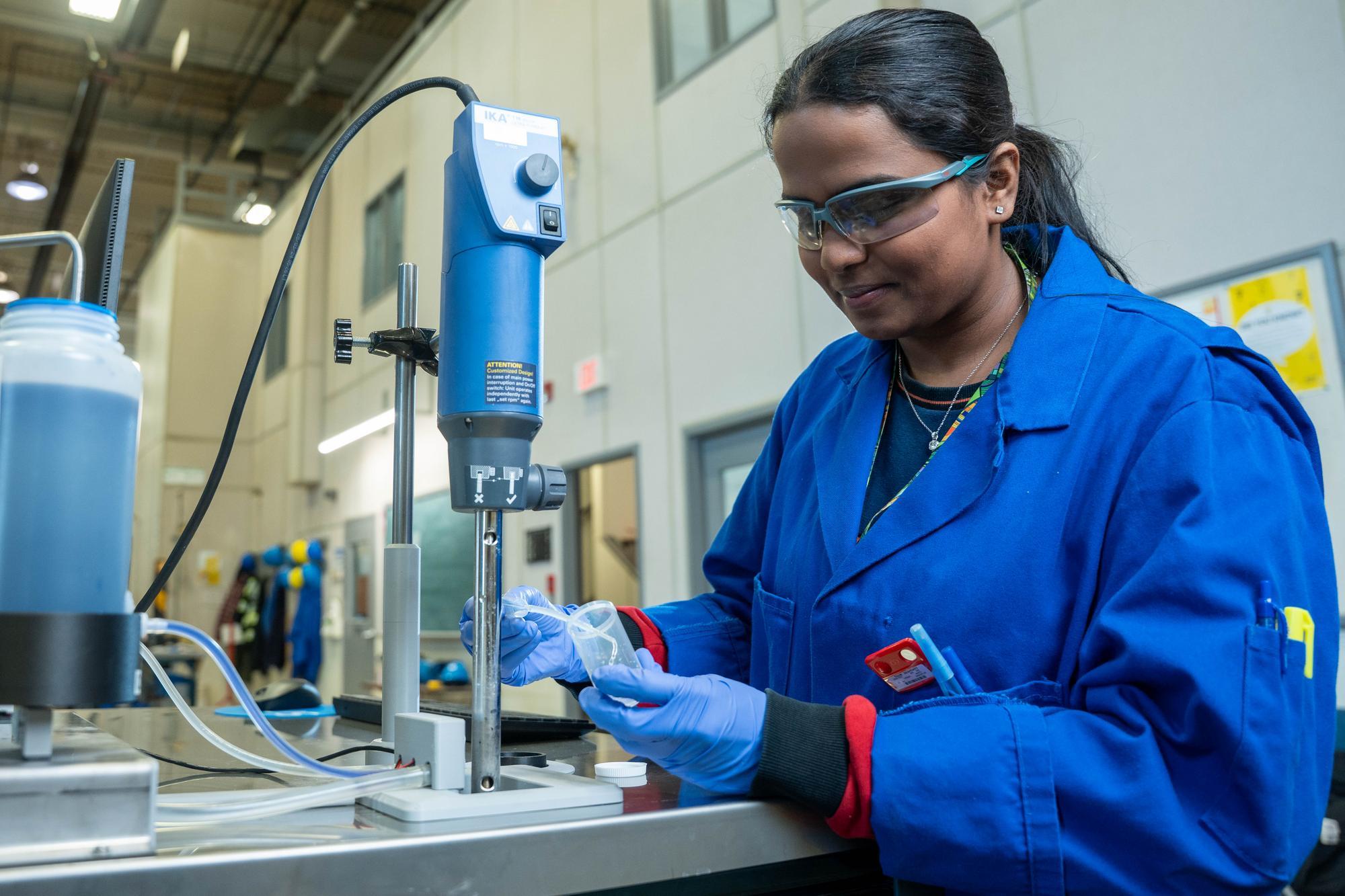
Long before “innovation ecosystem” became part of the business vocabulary, SRC was already shaping Saskatchewan’s resource industries with a level of technical sophistication few organizations in North America could match. For decades now, SRC has built its reputation in mining by solving the toughest challenges companies brought to its doorstep and by building world-class laboratories and facilities that draw clients from around the globe.
From the internationally recognized Pipe Flow Technology Centre™, which revolutionized the way slurry handling systems are engineered, to the Advanced Microanalysis Centre™, where scientists analyze minerals down to the micron level, SRC established itself early as a powerhouse in mineral science and engineering.
SRC Geoanalytical Laboratories – the largest of its kind in the province - is an ISO/IEC 17025:2017 accredited laboratory that provides high-quality geochemistry and mineralogical analysis for the mining and mineral exploration industry. SRC’s Minerals Liberation Sorting Centre is the only third-party, independent testing centre to offer bench-to-pilot-to production scale sensor-based sorting services. SRC’s Diamond Laboratory became an industry benchmark and one of the largest commercial labs worldwide.
Meanwhile, SRC’s ISO/IEC 17025:2017 accredited Environmental Analytical Laboratories is one of Canada’s most complete analytical chemistry laboratories with expertise in organics, inorganics and radiochemistry and is licensed by the Canadian Nuclear Safety Commission to handle radioactive samples.
Mining companies came to SRC because they needed answers. They stayed because SRC delivered insights that reshaped how exploration, processing, and production could be done.
Today, SRC’s mining story continues through innovations like its ClayVue™ platform, a leap forward for operations where clay content can make or break a day’s productivity. Its automated mineralogy initiative, which blends instrumentation, automation, and AI-driven analysis, is poised to redefine indicator mineral workflows across commodities ranging from uranium and potash to gold and rare earths. It’s the kind of technology that can shrink timelines, reduce risk, and give Saskatchewan explorers and producers a competitive edge on the global stage.
What connects these advancements isn’t just technical excellence; it’s SRC’s constant drive to push Saskatchewan’s industries forward, to imagine what tools they’ll need next, and to build them before the market demands it.
That spirit of innovation is the reason mining remains one of the strongest pillars in SRC’s portfolio and a defining part of the province’s economic story.
Turning Innovation into Impact
As Saskatchewan’s economy has evolved, SRC has evolved with it. Yet, the commitment to full-spectrum innovation remains unchanged.
The organization’s ability to advance technologies from early research through validation, piloting, and commercial deployment has become a signature strength, especially for companies navigating the complexities of modern industry. Innovations don’t simply pass through SRC; that’s where they accelerate.
The impact of this model can be seen in the numbers. In 2024–25 alone, SRC contributed $565 million in direct economic impact, supported nearly 1,450 jobs, and generated $102 million in revenue. For every dollar invested by the provincial government in 2024-25, SRC delivered $28 in economic return.
These results reflect more than sound operational performance; they demonstrate the compounding effect of innovation when applied strategically to industry challenges.
SRC’s CEO, Crabtree, puts it plainly, “At SRC, we are dedicated to growing and strengthening Saskatchewan’s economy with high-quality jobs in a world-class environment. These are our neighbours right here in Saskatchewan that our work is supporting, and we take that responsibility seriously. We go that extra mile for our clients to deliver quality, service and value for money.”
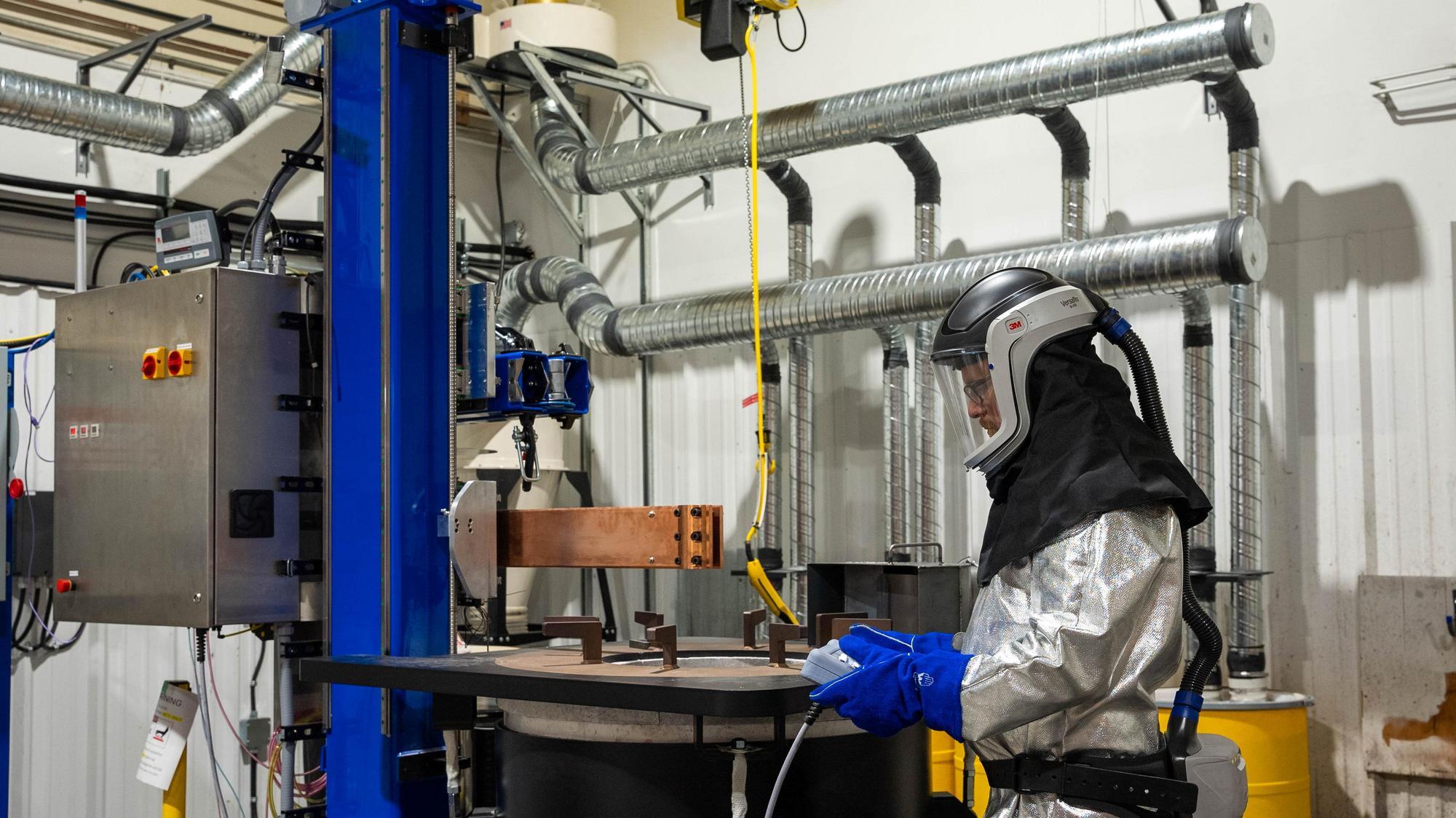
Nowhere is SRC’s ambition more visible than in its work to build industries that didn’t exist in Saskatchewan even a decade ago. Take rare earth elements, the materials critical to electric vehicles, wind turbines, and advanced electronics.
SRC’s under-construction Rare Earth Processing Facility, set to be fully operational in early 2027, will be North America’s first fully-integrated commercial rare earth processing and metals facility, and already has a long-term offtake agreement in place. This project positions Saskatchewan as a leader in the global race to establish the first complete rare earth supply chain outside of China.
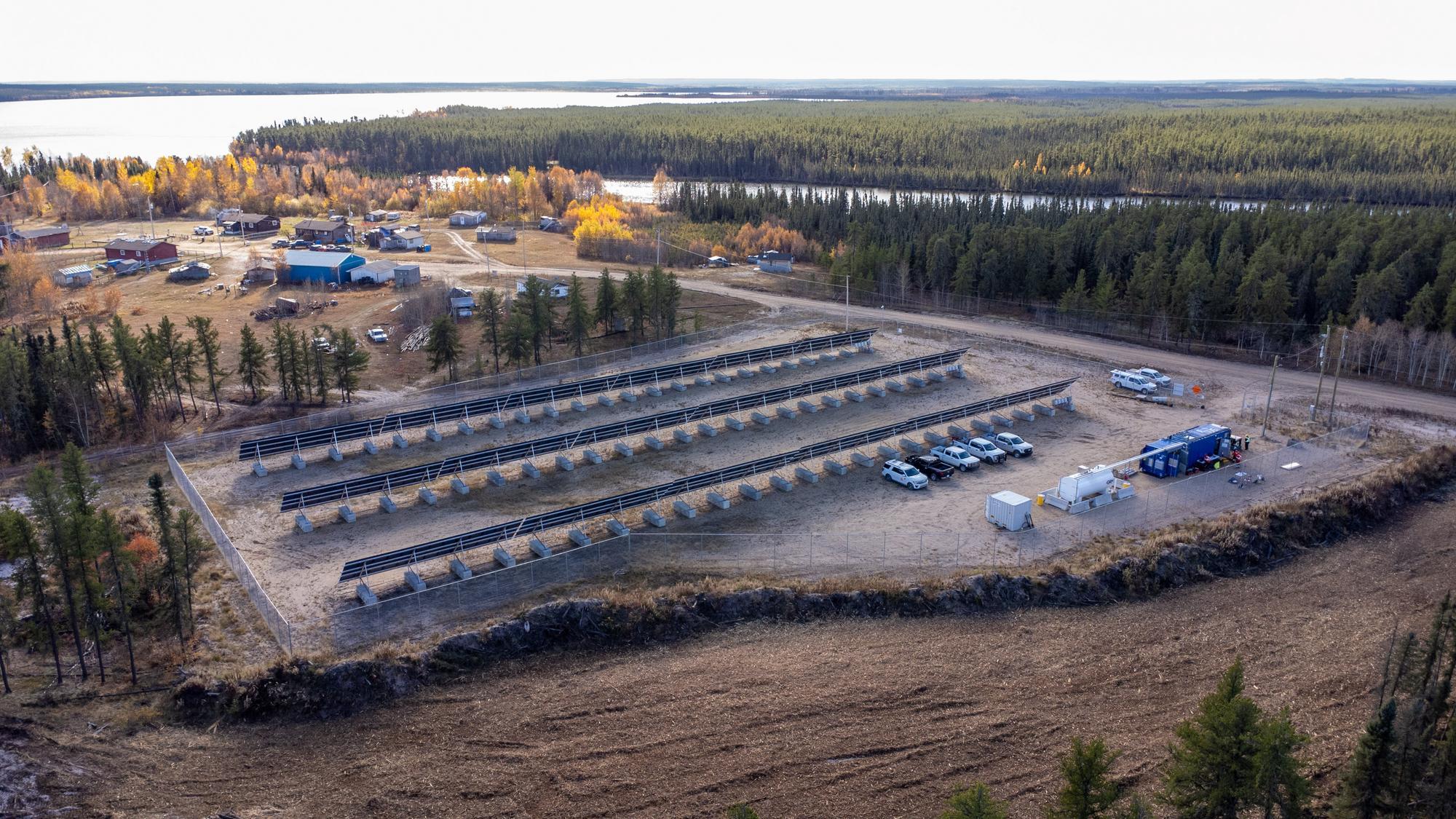
Innovation at SRC doesn’t stop at minerals. Its energy transition expertise played a key role in SaskPower’s Descharme Lake Microgrid, the first independent community power system of its kind in the province. Featuring an integrated microgrid solution custom-built by SRC, the system provides dependable solar-based energy to a northern community once served by a 96-km power line nearing the end of its life.
The microgrid, with its 474 solar panels generating 228 kW of power, stands as a model for how renewable innovation, engineering, and community needs can come together through thoughtful design.
In the years prior to this innovation, alongside Cowessess First Nation, SRC built a renewable energy storage facility near Regina - the first utility-scale wind-solar-battery microgrid system co-located behind the power meter, and it’s been generating power since 2013. SRC also installed a sophisticated remote monitoring system at the site, which allows all monitoring and data collection to be done from SRC’s headquarters in Saskatoon.
This is the type of project that showcases SRC’s capacity to contribute meaningfully to the provincial energy transition. And every project like this demonstrates the same principle: innovation isn’t just about advancing technology. It’s about solving real problems for communities, for industries, and for the province’s economic future.
Advancing Solutions for Communities and the Environment
Just as Saskatchewan’s soil has always been rich with possibility, so too are the seeds of innovation taking root in agriculture and biotechnology at SRC. Walking through one of SRC’s facilities, you might find a team of engineers developing bioprocessing techniques that transform biomass into fuels, connecting agriculture with clean technology.
Environmental leadership is another thread woven deeply into SRC’s work. The organization leads Project CLEANS (Cleanup of Abandoned Northern Sites), a large-scale remediation of 37 abandoned uranium mine and mill sites in northern Saskatchewan that combines scientific expertise with local Indigenous Traditional Knowledge.
SRC meets with Indigenous leadership and communities of the Athabasca Basin region regularly to provide updates on the project and to hear valuable insight from the communities that help to direct the management of this multi-decade project. Through the years, SRC’s teams have developed creative solutions as part of its remediation efforts, such as bat-friendly grates, stainless steel caps for mine openings, and 3D models for remediating complex underground structures.
In addition to its long stream of environmental projects, SRC’s climate science work has quietly become a cornerstone for industries far beyond traditional research.
The organization’s Climate Reference Stations have been gathering continuous, high-quality weather and climate data across Saskatchewan for more than six decades. This information is invaluable for industries from mining to agriculture to community planning. But it’s the creative application of that data that truly illustrates SRC’s impact.
Take, for example, the “small but mighty” weather station SRC installed at Black Fox Farm and Distillery, just southeast of Saskatoon. Rather than sit in a lab, this compact, solar-powered station sits amidst fields of grain, fruit and flowers, recording detailed hourly data on temperature, humidity, radiation and more. Today, the farm owners can rely on this data to make real-time decisions about crop planning, spirit aging and seasonal operations.
Building on this climate monitoring work, SRC is now in the early stages of leading the development of a Mesonet - a centralized long-term weather/climate station data hub that will be publicly accessible – to assist with decreasing the impacts of natural hazards by measuring and tracking how the province’s climate is changing.
These kinds of climate insights, whether for wildfire mitigation, drought preparedness, water management or environmental assessment, demonstrate that SRC’s environmental leadership isn’t just about compliance. It’s about equipping Saskatchewan businesses with the information they need to innovate their operations, adapt to change, and compete with confidence.
Innovation Rooted in Saskatchewan
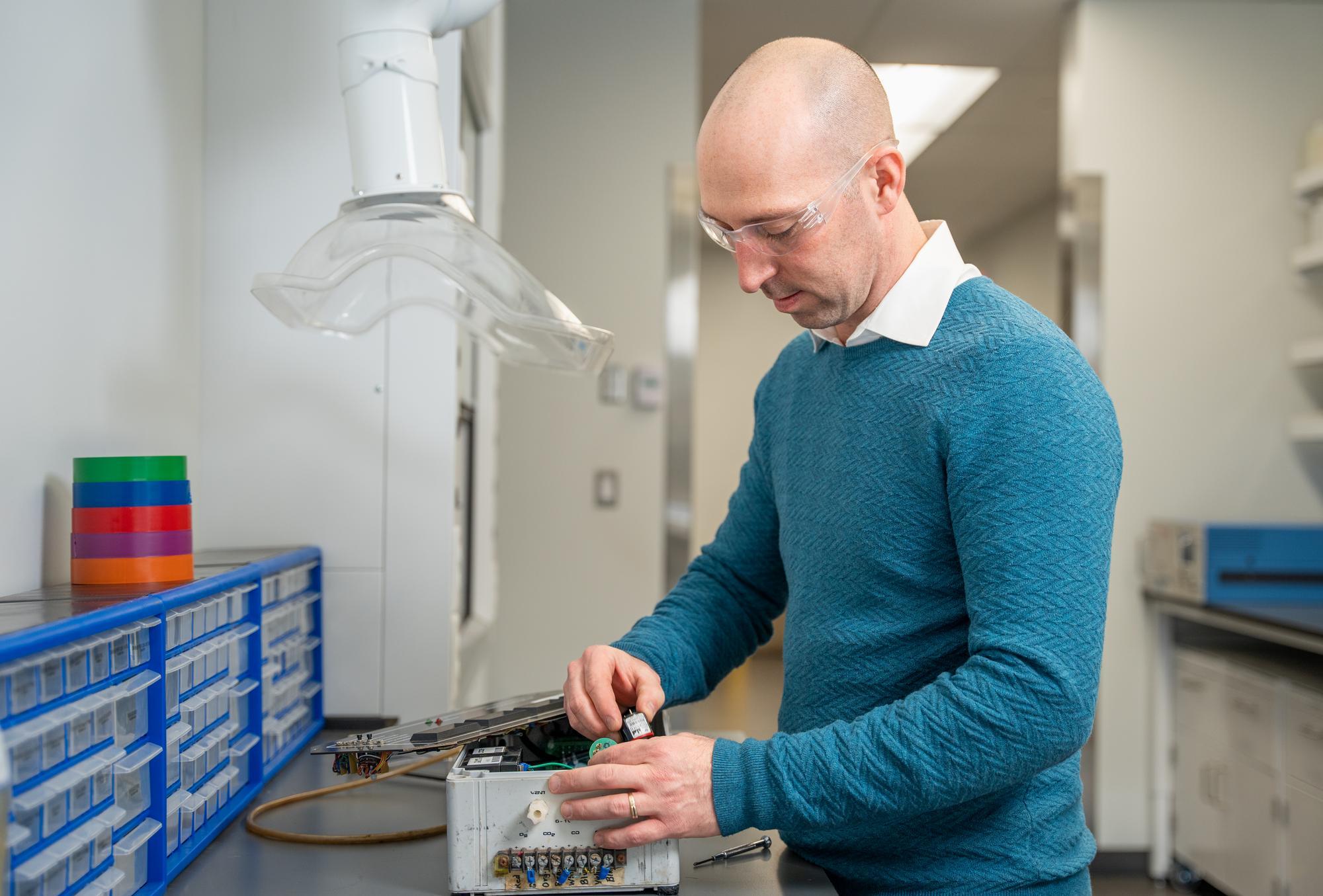
Saskatchewan is entering a new era: low-carbon energy, critical minerals, advanced manufacturing, digital integration, and sustainable agriculture. SRC’s role is to ensure that Saskatchewan is not just a participant in that transition, but a leader.
Crabtree frames it well, saying, “SRC is focused on the future – advancing innovation and technology development to deliver real solutions for our clients and industry within Saskatchewan. This continues to be SRC’s mission and also its compass. We’re also guided by our Indigenous Action Plan, which aims to engage and advance the participation of Indigenous Peoples within the organization and in communities and businesses across Saskatchewan.”
SRC’s ecosystem, encompassing applied research, engineering, testing, pilot plants, demonstration facilities, regulatory expertise, and commercialization support, exists so that Saskatchewan-grown ideas become Saskatchewan-based industries. It ensures that innovation lives here, scales here, and creates opportunity here.
As the organization nears its 80th anniversary, SRC continues to contribute to the next chapters of the province’s industrial story.
Crabtree reflects on this future with optimism and concludes, “As we stand on the cusp of 80 years in existence, SRC’s promise to Saskatchewan is that we will continue to evolve with its economy. We’re looking at a future where SRC will not only continue our commitment to the industries we currently support, but we will start to deliver into more industrial sectors and support more industrial development in the province.”
Indeed, SRC doesn’t just support innovation. It completes it. And with every new idea, every emerging industry, and every community it supports, it is helping shape the future of Saskatchewan one breakthrough at a time.
