
Inside SRC
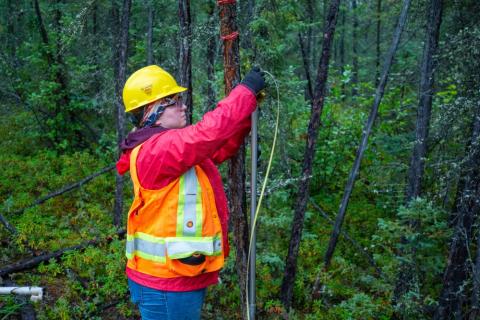
An environmental science student shares the hands-on learning she experienced as part of SRC's Aboriginal Mentorship Program. Learn about the diversity of career options in the environmental science field.
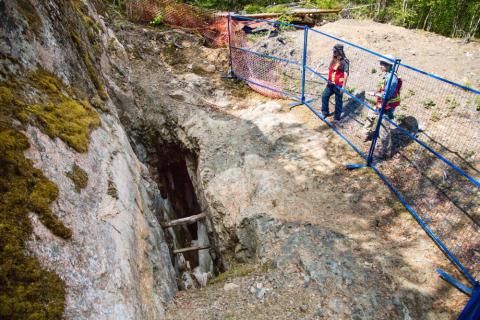
When many of uranium mines in northern Saskatchewan were abandoned in the 1950s and 60s, openings to mine workings were left without proper closures and pose a risk to public safety. SRC has been working with local contractors and consulting engineers to build proper mine closures. There are several methods available, depending on the type of opening and the site conditions.

Did you know that lighting accounts for about one-third of an average home’s energy use? With so many different options for light bulbs on the market, it's hard to know which one is the best. We share seven reasons why people should consider switching to LEDs, the fastest growing tech in this sector.
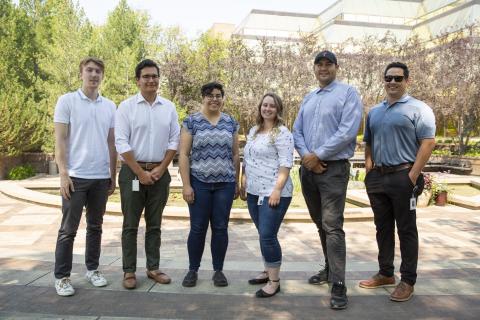
Before the end of this year’s Aboriginal Mentorship Program at SRC, second-year mentee Tomika and her mentor, Mark had a chance to talk about their experience in the program. Read some of our favourite responses from their conversation, which we hope will shed some light on the benefits of mentorship.
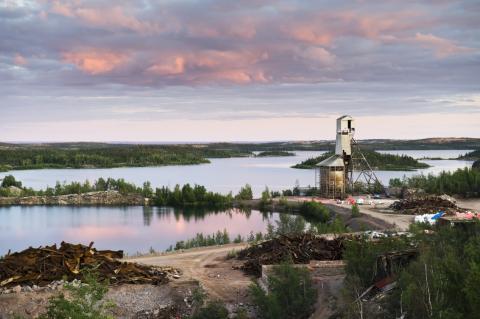
The Gunnar Mine and Mill Site was abandoned with little to no decommissioning after it ceased operation in 1964, leaving behind significant hazards to the environment and public. Learn about the decades after the Gunnar Site closed and what's being done to remediate the land.
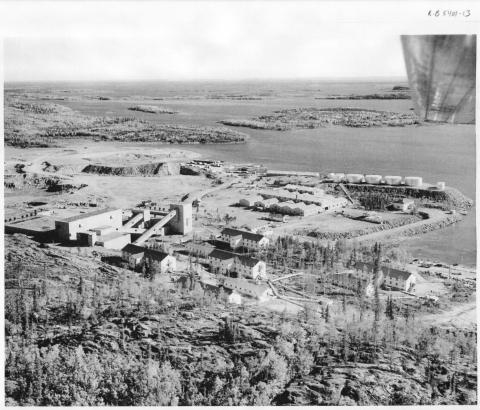
The Gunnar Mine operated from 1955-1963 and officially closed in 1964 with little to no decommissioning. In 1956, it was considered to be the largest uranium producer in the world. Learn about the construction of the site, the operational challenges and the town site that was built - and why it became a ghost town.
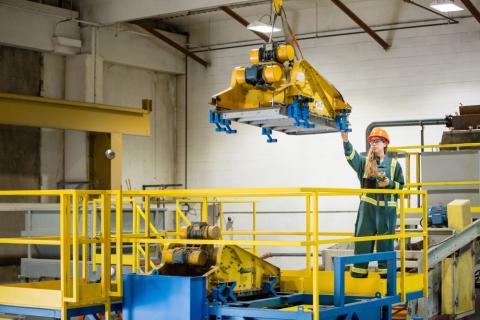
Learn why three students from SRC’s Aboriginal Mentorship Program chose a STEM education and what their careers aspirations are. Each of them have a unique story, which we hope will inspire other Indigenous youth to consider a career and education in STEM.
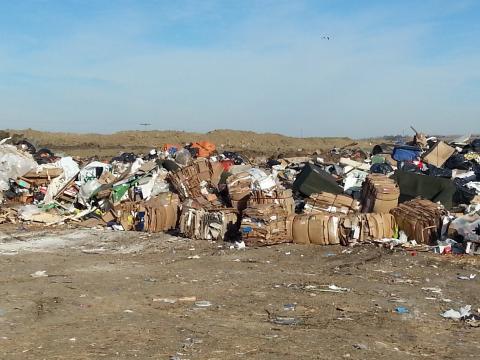
Like many municipalities, the City of Swift Current is looking at methods to preserve the airspace at their landfill. One option is to reduce the volume of disposed cardboard and waste wood going into the landfill - but how? SRC explored several alternative uses for recycled cardboard. Learn which one is the most promising.
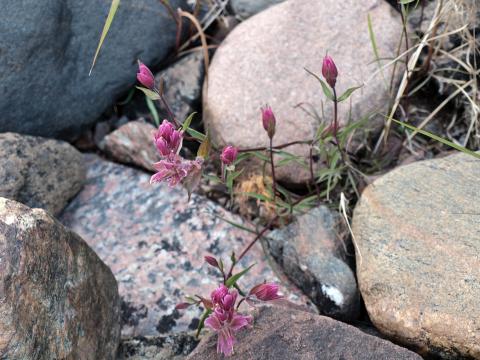
Remediating a contaminated site may have positive and negative impacts on biodiversity. Learn how a sustainable approach to remediation involves planning and implementing environmental protection throughout the entire remediation process.
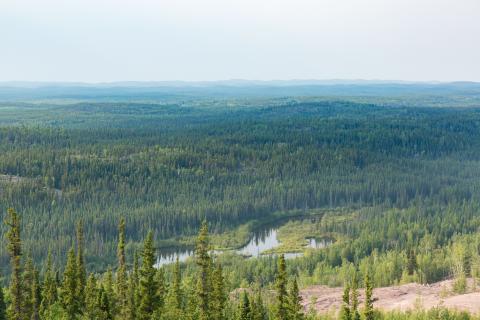
There are many potential impacts that climate change may have on Canada’s boreal forest. Industry and government will need to prepare for a different forest environment, and develop adaptation strategies for dealing with the new conditions.
