
Central Saskatchewan’s weather in 2025 was a bit of a rollercoaster, with wide temperature swings and record precipitation recorded at SRC’s Climate Reference Stations (CRSs) in Saskatoon and at the Conservation Learning Centre (CLC) near Prince Albert, Saskatchewan.
The year started with the coldest February in over 20 years, followed by a warm spring, a wet summer and record-breaking fall temperatures.
By the end of December, SRC’s CRS in Saskatoon recorded a year-to-date cumulative precipitation total of 379.4 mm — up 27.1 mm from the year-to-year average.
Take a look back at the highs and lows of Saskatchewan’s central region weather in 2025.
Interested in receiving monthly and annual weather summaries in your inbox? Subscribe here!
January
For the third year in a row, the CRS in Saskatoon recorded record-breaking highs in January. A new record was noted on January 16 with a daily high of 4.8 degrees Celsius (C). The CRS in Saskatoon measured 14 cm of snow on the ground on the first day of the month, quite the difference compared to 2024’s snow free or “brown” start to the year.
Further north, the CRS at the CLC near Prince Albert recorded a lot more snow on the ground with 32 cm on January 1. It was a chilly start to the year with lows of -38.4 C and -39.2 C on January 3 and 4.
February
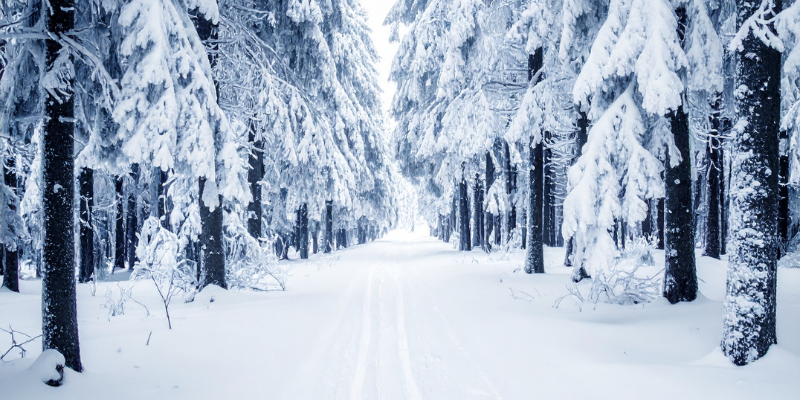
February was a record-breaking cold month in central Saskatchewan. The CRS in Saskatoon recorded a four-day stretch mid-February, where temperatures hit the -30 C to -40.2 C range. This cold snap broke two daily records from the winter of 1966.
The CLC station also recorded an extreme cold stretch of 14 days, which included 12 days of temperatures below -30 C and five days below -40 C. The lowest temperature was recorded on February 17 with a daily low of -47.3 C.
March
March started off a little warmer than usual with positive single digits recorded at the CRS in Saskatoon, including a record-breaking high of 8.2 C on March 2. Things swung in the other direction by mid-month when temperatures dropped below average and into negative single digits.
Overall Saskatoon saw a fairly average month with overall highs, lows and precipitation measurements in the normal range.
The CRS at the CLC near Prince Albert saw similar trends but experienced a bit of a cooler month overall.
April
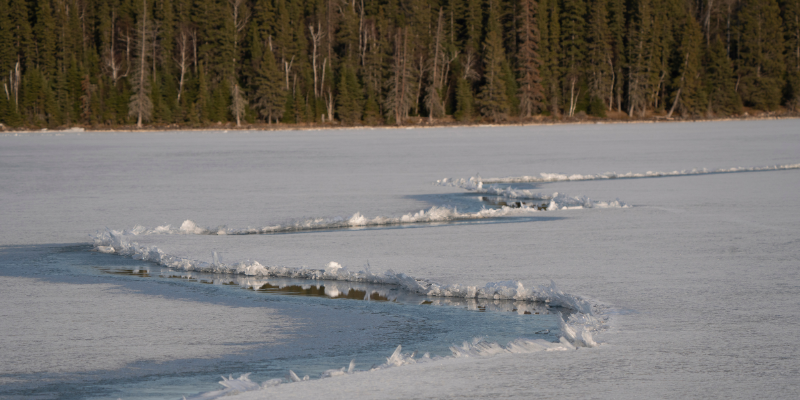
April showers? Not in 2025. Precipitation was below normal with only a few days of light rain and snow recorded at the CRS in Saskatoon. Another month, another record-breaking high with a daily high of 10.4 C recorded on April 21.
Similar trends were recorded at the CRS near Prince Albert, with some warmer than usual temperatures mid-month and very little precipitation.
May
May came in hot last year with a record-breaking 30.9 C recorded at the CRS in Saskatoon on May 3. The heat continued throughout the month with three days of daily highs above 30 C and a nine-day stretch where temperatures stayed above 20 C. This above-average heat was paired with below-average precipitation.
Similar numbers came in from the CRS near Prince Albert with above-average temperatures and below-average precipitation.
June
Once the rain came it did not stop. June was a very wet month with 98.4 mm of rain recorded at the CRS in Saskatoon (well above the average of 73.9 mm). Daily highs and lows were relatively average except for a record-breaking cold day on June 22, where temperatures struggled to reach 12.1 C.
Further north, the province received more rainfall, with the CRS near Prince Albert recording a total of 130.2 mm over the month; 52.7 mm more than the monthly average of 77.5 mm. Overall, temperatures were fairly average with some cooler days earlier on in the month.
July
July was another wet month with days of record-breaking precipitation recorded at the CRS in Saskatoon. On July 20, 29.8 mm of rain fell in the city, breaking a 57-year-old daily record. July brought the heat with temperatures well above 25 degrees at the start of the month. Overall temperatures remained close to average.
The CRS at the CLC also saw a hot start to the month but recorded much less rain than Saskatoon with a total of 7.8 mm for the whole month of July.
August
The summer heat continued to sizzle into August with a daily high of 31.3 C recorded on August 1. A thunderstorm on August 5 brought 17.4 mm of rain to the city of Saskatoon. The rainfall total for the month came in at 89.0 mm – nearly double the monthly average.
The CRS near Prince Albert also recorded some hot temperatures last August, but precipitation numbers were closer to normal for that month.

September
Saskatoon saw a mix of hot days and cool nights in September, with temperatures reaching a high of 30 C on September 10 and again on September 30. Despite these couple hot spots, the month brought some colder nights with daily lows hovering between 3 and 9 C.
The CLC station saw three consecutive days of daily lows below 0 C and trace amounts of precipitation. Daily highs still climbed into the mid to high 20s, with a high of 30 C recorded on September 17.
October
The warm autumn continued into October with a high of 25 C on October 11 recorded at the CRS in Saskatoon. The month also saw five days above 20 C. Rainfall on October 12 dumped 19.4 mm of rain on the city, accounting for 90 per cent of the monthly 22.5 mm precipitation total.
The CRS near Prince Albert saw similar temperatures but experienced more precipitation, with a total of 31.8 mm recorded for the month.

November
November was a rollercoaster of temperature swings, seeing both positive double digit and negative double digit daily highs. The month began unusually warm with a high of 16 C on November 1 and ended with a daily low of -20 C on November 30.
The CLC station recorded a cooler start with 3.3 C on November 1. A high of 11.5 C was recorded mid-month, but the cold crept in by the end of the month, with a daily low of -23 C.
December

December was a cold and snowy month with below-average temperatures and above-average precipitation. The month’s average daily lows dipped to -20 C, four degrees colder than usual. Saskatoon saw a lot of snow, hitting a total monthly precipitation of 19.3 mm – twice as high as the year-over-year average of 9.7 mm.
Similar numbers were recorded by the CRS near Prince Albert, with an average low of -23 C and 25 mm of precipitation noted during the month.
Thus closed the book on SRC’s weather monitoring in 2025 – a year that may have come in with record-breaking highs off the start but still finished off in that cool, Central Saskatchewan style.
Want a first look at what the story will be like in 2026? Subscribe to SRC’s monthly and annual weather summaries here.
